

Homemade oat milk: why it turns slimy (and how to avoid it)

Introduction
Oat milk is often the first plant-based milk people try making at home. It seems simple, accessible, and economical. However, one disappointment comes up very often: a thick, viscous, almost “slimy” texture.
Many people then think they have failed their recipe, or conclude that homemade oat milk is simply not for them. In reality, this phenomenon is extremely common, and above all, very well explained.
Understanding why oat milk becomes slimy not only helps to avoid this texture but also to successfully make a milk that is more fluid, more pleasant, and better suited to your daily use.
What exactly is homemade oat milk?
Oat milk is a plant-based drink composed essentially of:
-
rolled oats
-
water
Oats naturally contain:
-
starch
-
soluble fiber
-
beta-glucans
These are precisely the elements that give oat milk its sweet and creamy quality... but also its potential slimy effect when they are not properly managed.
Why does homemade oat milk become slimy?
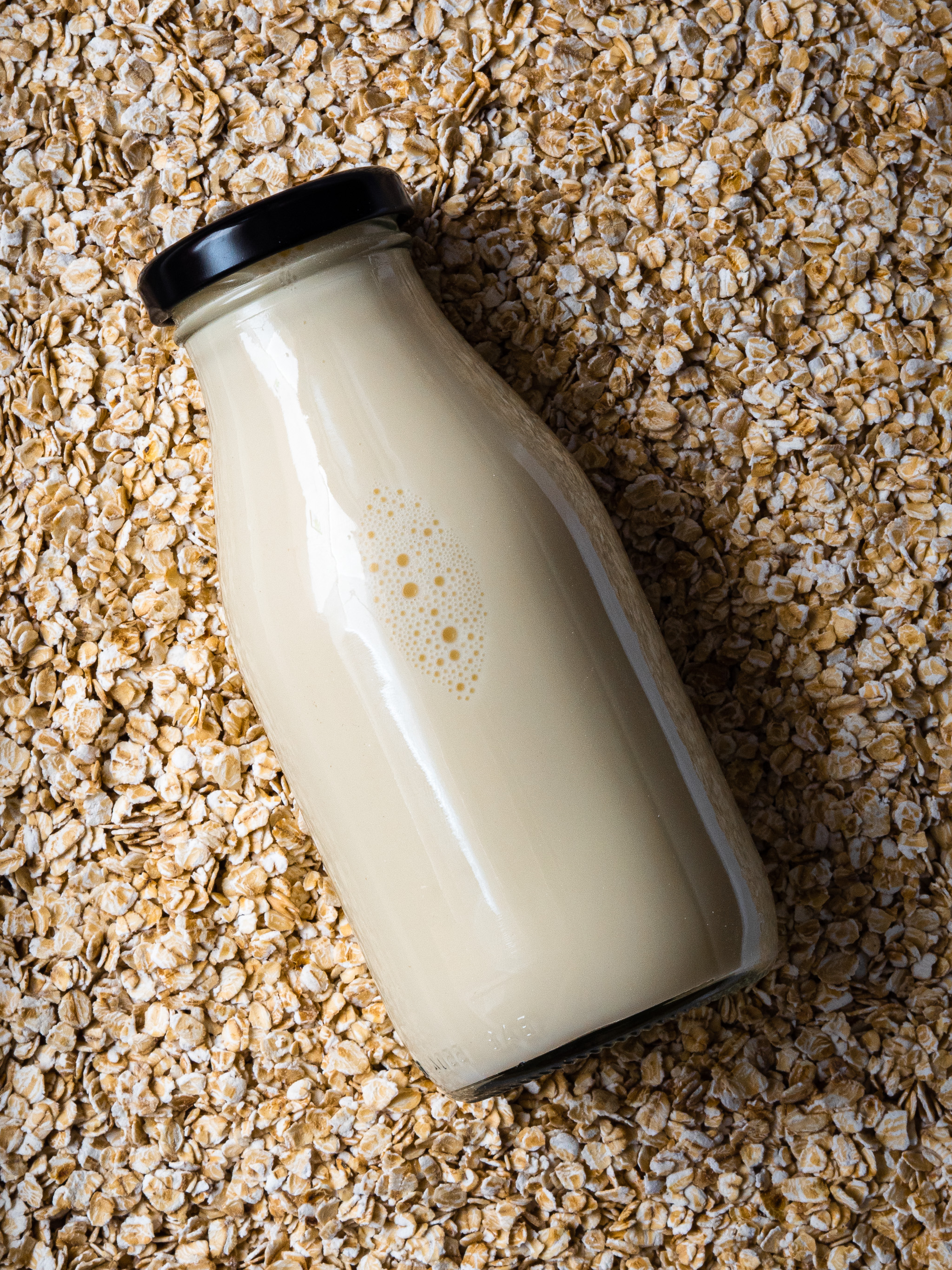
1. The oat starch is released too quickly
When oats are blended, they release starch.
If this starch is over-agitated, it gels upon contact with water, which results in that sticky sensation in the mouth.
This is the primary cause of the problem.
2. Blending for too long (the #1 mistake)
It is counter-intuitive, but the longer you blend, the slimier the milk becomes.
Excessive blending:
-
breaks down the oats too finely
-
releases too much starch
-
turns the drink into a viscous texture
Oat milk does not need to be perfectly smooth to be successful.
3. Water that is too hot
Hot or warm water immediately activates the starch.
Result:
-
instant thickening
-
almost gelatinous texture
-
unpleasant mouthfeel
👉 Oat milk should be prepared exclusively with cold water.
4. Misunderstanding the soaking process
Contrary to popular belief, soaking oats does not always help.
-
long soak → starch already activated
-
soaking unnecessary for standard rolled oats
-
keeping the soaking water → accentuated texture
In the majority of cases, no soaking is necessary.
Store-bought vs. homemade oat milk
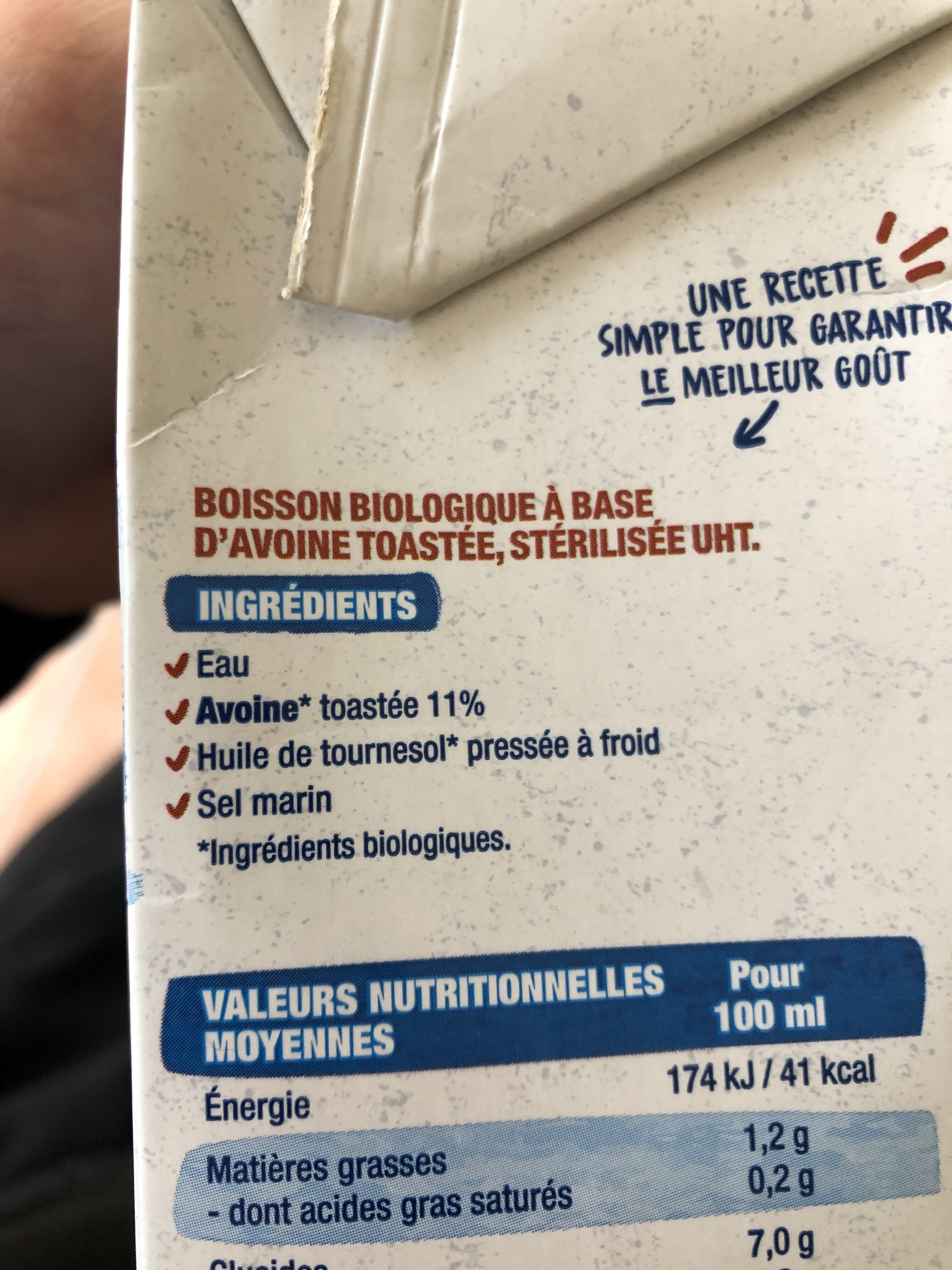
Why store-bought oat milk isn't slimy
Industrial versions use:
-
enzymes to break down the starch
-
controlled thermal processes
-
sometimes oils or stabilizers
This results in a fluid and stable texture, but also a more highly processed product.
What "homemade" changes
Making your own oat milk means accepting:
-
a more "alive" texture
-
a more authentic taste
-
a product without industrial modification
The goal is not to imitate industry, but to find the balance that suits your needs.
Premium pedagogical section – how to avoid slimy oat milk
✅ Essential best practices
Choose the right oats
-
standard rolled oats
-
avoid instant oats
Use very cold water
-
ideally filtered
-
never hot or warm
Filter without squeezing
-
let it drain naturally
-
do not try to extract “every last drop”
❌ Most common mistakes
-
blending too long
-
aiming for a texture that is too thick
-
using hot water
-
squeezing the pulp hard
-
seeking a result as “smooth as store-bought”
Good homemade oat milk is fluid, slightly cloudy, and thickens very slightly when at rest, but is never sticky.
Adapting the texture to the use
-
For coffee: very little oats, fluid texture
-
For cereal: a bit more substance
-
For smoothies: a denser texture is acceptable
There isn't one single right recipe, but adjustments based on use.
Simplifying daily preparation
Some people now choose to prepare their homemade oat milk using dedicated machines, in order to precisely control the blending time and texture, while avoiding common mistakes related to starch.
Conclusion
If your homemade oat milk becomes slimy, it is neither a failure nor an inevitability. It is simply a sign that the starch has been over-agitated.
By understanding the natural behavior of oats—cold water, short blending, gentle filtration—you get a more fluid, pleasant milk that is consistent with the homemade approach.
Sometimes, doing less is exactly what is needed.


